Avoid Common Mistakes When Buying Robots in 2026
As technology advances, the market for robots continues to expand rapidly, providing consumers with a plethora of options. In 2026, it is crucial to understand the key factors that contribute to making a wise investment when purchasing robots. Whether you are a business looking to automate processes or an individual interested in personal robotics, being aware of common pitfalls can save you time and money. This article delves into the most prevalent mistakes to avoid when buying robots, ensuring that your decision aligns with your needs and goals.
Understanding Your Needs
Before diving into the world of robotics, it is essential to define your specific requirements. Many buyers make the grave mistake of purchasing a robot without a clear understanding of what they need it to accomplish. In 2026, as robots become increasingly sophisticated, the range of functionalities available can be overwhelming.
For example, consider a business owner looking to automate customer service. It would be unwise to purchase a robot designed for warehouse logistics without assessing whether a conversational AI would better suit their needs. To avoid such mistakes, take the time to outline your objectives. Ask yourself the following questions:
- What specific tasks do I want the robot to perform?
- What is my budget for this investment?
- How will the robot integrate into my existing systems?
By answering these questions, you can narrow down your options and select a robot that aligns with your requirements.
Research and Compare Options
Another common mistake in 2026 is failing to conduct adequate research before making a purchase. The robotics market is filled with various brands and models, each offering unique features and capabilities. It is vital to compare different options to ensure you select the right one.
People Also Look For:
- STEM Kits for Kids Crafts 6-8 8-12, Boys Gifts Toys for 6 7 8 Year Old Boy Birthday Gift Ideas, STEM Toys Crafts 6+ 7+ yr, Robotic...
- ROBOTICS FOR TEENS: A HAND ON GUIDE TO BUILD, CODE AND CREATE
- Sillbird Solar Robot Building Kit STEM Gift for Boys Girls Ages 8-14, DIY Educational Science Kit for Kids Birthday, 10-in-1 Space...
- Learning Resources Cooper the STEM Robot, Kids Gift Set, STEM Set, Robotics Kit, Coding Robot, Coding Toys for Kids, Ages 5+
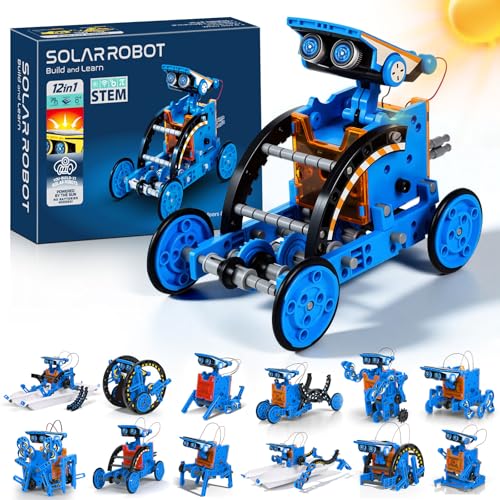
- OMWay STEM 12-in-1 Solar Robot Toys, Science Kits for Kids Age 8-12,DIY Building Experiment Engineering Robotics Kit, Birthday Gif...
Utilize online resources, customer reviews, and expert opinions to gather information on potential robots. Furthermore, attending robotics expos or industry conferences can provide insights into the latest advancements in technology. For instance, imagine you are considering purchasing a home cleaning robot. Researching multiple brands can reveal significant differences in cleaning efficiency, battery life, and user satisfaction. This research phase is critical to avoid buyers' remorse.
Evaluating Performance and Reliability
When comparing robots, pay close attention to their performance and reliability. In 2026, many robots come equipped with advanced technologies such as artificial intelligence and machine learning. However, not all robots are created equal. It is essential to review performance metrics and case studies where these robots have been deployed.
For example, if you are looking for a robot for industrial automation, it is beneficial to examine its uptime and maintenance requirements. A robot that frequently requires repairs can lead to increased downtime and operational disruptions. Checking the warranty and support services offered by the manufacturer can also provide peace of mind in your investment.
Considering Future Scalability
As we move further into 2026, scalability becomes a vital consideration when purchasing robots. Many buyers overlook the importance of future-proofing their investments. As your needs evolve, the ability to adapt and expand robotic capabilities can be crucial. For instance, a manufacturing facility may require additional robots as production increases. Choosing a robot that can be easily integrated into existing systems or upgraded with new software can save you from costly replacements.
When evaluating robots, inquire about the potential for scalability. Will you be able to add more features or connect additional units in the future? Ensuring that your chosen robot can grow alongside your needs is essential for making a smart purchase.
Budgeting for Total Cost of Ownership
Many buyers focus solely on the initial purchase price, neglecting the total cost of ownership. This approach can lead to unexpected expenses down the line. In 2026, it is essential to account for ongoing costs associated with maintenance, upgrades, and operational expenses.
For example, consider a business that invests in a robot for assembly line tasks. While the initial investment may seem reasonable, it is crucial to factor in electricity costs, software subscriptions, and potential repairs. Developing a comprehensive budget that includes these elements can provide a more accurate picture of the financial implications of your purchase.
Seeking Expert Advice
Finally, one of the most significant mistakes buyers make is failing to seek expert advice. In 2026, the robotics industry is complex and rapidly evolving. Consulting with industry specialists or robotics consultants can provide valuable insights that save time and money. These experts can help you navigate the myriad of options available and guide you towards making informed decisions.
Imagine you are contemplating the purchase of a robot for data analysis. An expert can recommend the best models based on your specific needs and even share insights on emerging technologies that may better suit your needs. Engaging with knowledgeable professionals can be a game changer in your purchasing journey.
By avoiding these common mistakes, you can enhance your chances of selecting the right robot for your needs in 2026. Understanding your requirements, conducting thorough research, considering scalability, budgeting effectively, and seeking expert advice will help you make informed decisions. Investing in robotics is a significant commitment, and taking the time to educate yourself will pay dividends in the long run. As the robotic landscape continues to evolve, staying informed will ensure that your investment remains valuable and relevant.